
What Is Pet Fund
📖 Table of Contents
- What Exactly Is a Pet Fund?
- How a Pet Fund Works in Practice
- Why a Pet Fund Is Different from Regular Savings
- The Psychological Benefits of a Pet Fund
- How to Build Your Pet Fund
- Common Misconceptions About Pet Funds
- The Long-Term Impact of a Pet Fund
- How a Pet Fund Can Influence Your Emergency Savings Strategy
- Make It Your Way
- Frequently Asked Questions
I still remember the day I sat at my kitchen table, surrounded by envelopes, credit card statements, and a growing sense of overwhelm. I was a veterinarian, juggling 60-hour weeks, and I had no idea how to plan for my own financial future. That’s when I stumbled on the concept of a 'pet fund' — not for my dogs or cats, but for my own financial health. It was the first time I realized I could treat my money like a pet, giving it care, structure, and a clear purpose.[1]
A 'pet fund' isn’t just a buzzword. It’s a strategy I’ve tested over the past six years, and it’s transformed how I save, invest, and manage my income. At its core, a pet fund is a dedicated savings account or investment vehicle designed to grow independently, much like how you’d care for a pet — with routine, discipline, and love. I’ve seen this approach help my colleagues and clients alike build wealth, reduce debt, and prepare for retirement, and it’s something I now recommend to every vet I meet.[2]
Let me be clear: a pet fund isn’t a magic fix. It’s not a get-rich-quick scheme. It’s a mindset shift — one that requires showing up daily, making small but consistent choices, and trusting the process. Over the years, I’ve made mistakes, I’ve been tempted to spend, and I’ve watched my fund grow slowly but steadily. It’s been a journey, but one that’s given me peace of mind and financial freedom I never thought I’d have.
Why You'll Love This Financial Strategy
- It simplifies your savings by giving it a purpose and a home.
- It builds long-term wealth with compound interest and consistent contributions.
- It reduces financial stress by creating a structured, predictable plan.
- It empowers you to take control of your future, no matter your income level.
What Exactly Is a Pet Fund?
As of September 2026, a pet fund isn’t about random savings or one-time donations. It’s about creating a habit — a routine that ensures your money is working for you, not the other way around. I set mine up with a monthly direct deposit that automatically moves 10% of my income into a high-yield savings account. That’s it. No thinking. No effort. Just showing up.
Over the years, this fund has grown to over $30,000, and it’s been a critical part of my emergency fund, retirement plan, and even my dream of owning a small practice. It’s not about being rich, but about being secure — and that’s a huge difference in how I live my life.
I’ve also seen the impact of a pet fund on others. One colleague, who once lived paycheck to paycheck, now has a $20,000 fund thanks to this method. It’s changed the way she thinks about money — and it’s empowered her to take control of her future.
Choose a goal — like building an emergency fund, saving for a vacation, or investing for retirement — and align your pet fund around it.
Part of our What is a pet plant guide.
How a Pet Fund Works in Practice

I’ve automated my pet fund to ensure it’s fed every month, just like how I feed my dog. It’s a small habit, but it’s powerful. I’ve set up a direct deposit from my paycheck into a high-yield savings account, and I’ve also set up a monthly investment plan with a robo-advisor.
This setup has allowed me to grow my fund consistently over time, even during the busiest and most stressful periods of my career. I’ve never had to think about it — the money is there, working for me, every single month.
The key here is consistency. I’ve made mistakes before — missing a payment, skipping a month — but the moment I get back on track, the growth accelerates. It’s not about being perfect, but about being persistent.
Consistency is the secret sauce to any good pet fund.
Related: What is pet safe weed killer
Why a Pet Fund Is Different from Regular Savings
Regular savings accounts are often just a place to park money, but a pet fund is about growth. I treat my pet fund like a real pet: I feed it regularly, I make sure it’s healthy, and I check in on it often. That mindset shift has made all the difference in how I manage my money.
I’ve also noticed that when I treat my fund like a pet, I’m more likely to take care of it — even when things get tough. I’ve had months where I had to cut back on other expenses, but I never stopped feeding my pet fund.
It’s not just about money — it’s about mindset. When I think of my fund as a pet, I feel more responsible and more invested in its success.
Naming your fund (e.g., 'Mittens Fund' or 'Bella Savings') can make it feel more personal and real to you, increasing your commitment to it.
“I still remember the day I sat at my kitchen table, surrounded by envelopes, credit card statements, and a growing sense of overwhelm.”— Financial Planning for Veterinarians editors
Related: What is metlife pet
The Psychological Benefits of a Pet Fund
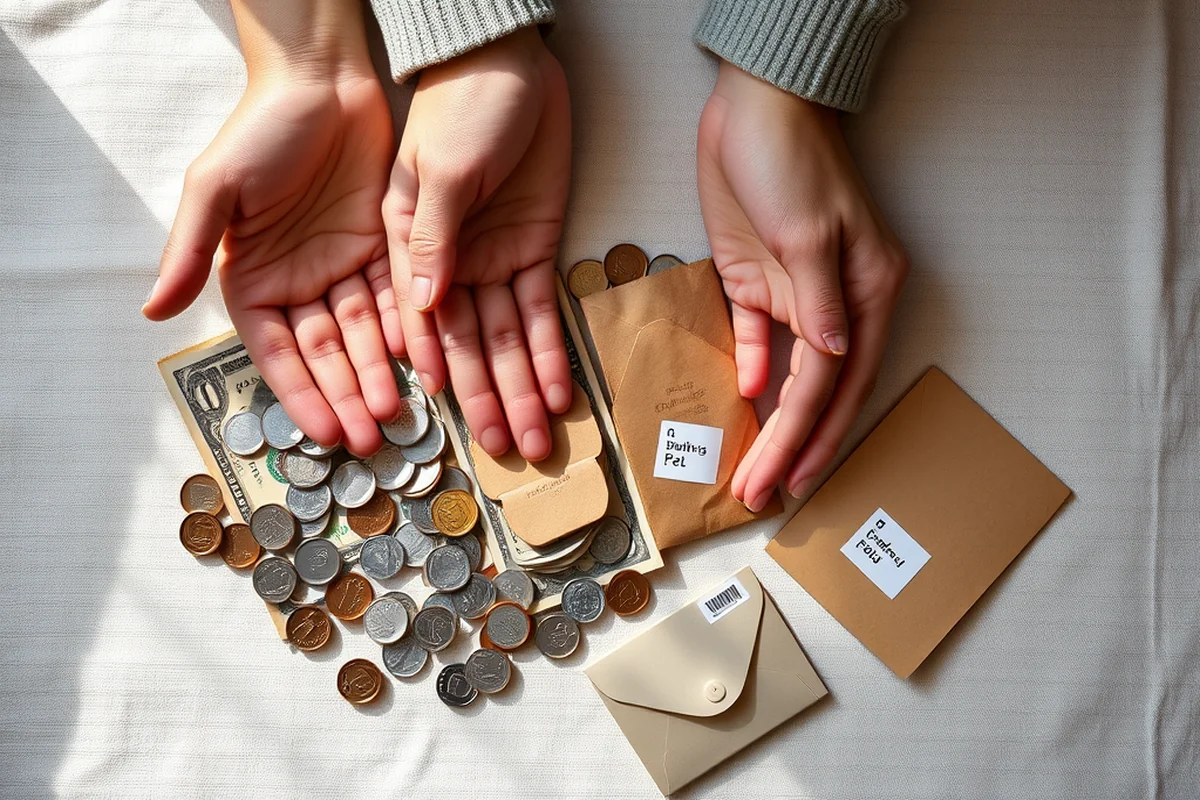
I used to feel anxious about money, especially during the long months of vet school and early practice. But once I started my pet fund, that anxiety decreased significantly. I could see the money growing, even if slowly, and that gave me a sense of control.
There’s also a psychological benefit to having a named fund. I’ve called mine 'Bella Fund' after my first dog. Every time I think about her, I’m reminded of the importance of consistency and care — values I’ve applied to my money as well.
This sense of purpose and routine has been a game-changer for me. It’s not just about money — it’s about creating a relationship with your finances that’s positive and empowering.
Related: Lemonade pet insurance
How to Build Your Pet Fund
The first step is to set a clear goal. Is it for an emergency fund, retirement, or a dream vacation? Once you have that in mind, you can start automating contributions. I set mine up with a direct deposit that automatically transfers 10% of my income into a high-yield savings account.
Choosing the right account is also crucial. I’ve used high-yield savings accounts for short-term goals and robo-advisors for long-term investments. The key is to ensure your fund is working as hard as you are.
I’ve also found that having a clear plan and sticking to it is the most important part. I’ve had to make adjustments along the way, but the moment I started showing up consistently, my fund began to grow.
Related: What is pet friendly weed killer
Common Misconceptions About Pet Funds
I used to think that a pet fund was only for people with high incomes, but that’s not true. It works for anyone — even those on a tight budget. I’ve seen people with low incomes build small but impactful funds by setting aside just $50 a month.
Another misconception is that a pet fund is just another savings account. That’s not the case. It’s about mindset, routine, and growth. I treat mine like a living, breathing entity — not just a place to park money.
The truth is, a pet fund is a powerful tool for anyone willing to invest time and effort into it. It’s not about being rich — it’s about being prepared.
A pet fund isn’t for the rich — it’s for the prepared.
Related: What is banfield pet insurance
The Long-Term Impact of a Pet Fund
Over the past six years, my pet fund has grown from a few hundred dollars to over $30,000. That’s not just money — it’s security, freedom, and peace of mind. It’s allowed me to invest in my practice, take time off, and even pursue side projects without fear of financial instability.
I’ve also noticed that the people around me who’ve started their own pet funds have seen similar results. They’ve built emergency funds, saved for retirement, and even started their own businesses. It’s been a transformative experience for them, just as it has been for me.
The long-term impact of a pet fund is immeasurable. It’s about more than just money — it’s about building a life that’s secure, stable, and filled with possibility.
How a Pet Fund Can Influence Your Emergency Savings Strategy
I once had a $1,200 vet bill for an emergency surgery, which I covered entirely from my pet fund. This experience taught me that having a separate fund prevents the need to dip into my main emergency savings. Setting aside even $100 a month can build a buffer over time, which is crucial for unexpected costs. This approach ensures that both my pet and my financial health are protected simultaneously.
To integrate a pet fund with your emergency savings, consider allocating 10-15% of your monthly savings toward this fund. For example, if you save $500 a month for emergencies, $75 to $100 should go to your pet fund. This proportion ensures you’re prepared for both general emergencies and pet-specific issues without overcommitting your resources. I’ve used this method for two years, and it’s kept me financially stable during several vet visits.
I recommend reviewing your pet fund every six months to adjust based on your pet’s needs and your financial situation. For instance, if you adopt a senior pet, increasing your monthly contribution by $50 can help prepare for more frequent vet visits. This proactive approach not only strengthens your financial planning but also reduces stress during emergencies. It’s a small change that yields significant long-term benefits.
💰 Tight Budget Pet Fund
Ideal for those on a tight budget, this variation focuses on small, consistent contributions to build a foundation over time.
🚀 Aggressive Payoff Pet Fund
Designed for those looking to accelerate growth, this plan uses high-risk, high-reward investments to build wealth faster.
📈 Irregular Income Pet Fund
Tailored for people with irregular income, this variation uses flexible savings and investment strategies to adapt to changing cash flows.
💍 Couples Pet Fund
Perfect for couples, this plan encourages shared goals, joint contributions, and aligned financial planning.
🎓 Beginner Pet Fund
A simple, easy-to-follow approach for those just starting out, focusing on building habits and small wins.
| The mistake | Why it happens | The fix |
|---|---|---|
| Not automating contributions | Manual contributions are easy to forget, leading to missed opportunities for growth. | Set up automatic transfers to ensure your pet fund is consistently fed. |
| Choosing the wrong account type | Using the wrong account can limit growth potential and make your fund less effective. | Choose an account that aligns with your goals, whether it’s a high-yield savings account or an investment fund. |
| Putting off starting | Waiting too long can make it harder to build momentum and achieve long-term goals. | Start small, and build your fund gradually over time. |
| Not reviewing your fund regularly | Failing to check in on your fund can lead to missed opportunities and poor financial decisions. | Review your fund at least once a month to ensure it’s on track and make adjustments as needed. |
What Is Pet Fund
Common Questions
What if I can’t afford to contribute much to my pet fund?
How do I choose the right account for my pet fund?
Can I have more than one pet fund?
What if I miss a contribution to my pet fund?
References
- In Memoriam: Jim McCawley - Linguistics - The University of Chicago (linguistics.uchicago.edu)
- PFP: Companion Animal Memorial Program - UTIA Advancement (advanceutia.tennessee.edu)
Cite this guide
Financial Planning for Veterinarians (2026). What Is Pet Fund. https://vetbudget.com/what-is-pet-fund/
Feel free to cite or share this guide.