What Is In A Farm Animals
📖 Table of Contents
- The Hidden Costs of Raising Livestock
- The Role of Depreciation in Farm Animals
- Insurance: A Necessary Expense
- The True Cost of Veterinary Care
- Land and Infrastructure Costs
- Managing Feed and Labor Costs
- Financial Planning for Long-Term Success
- The Impact of Market Fluctuations on Farm Animal Valuation
- Make It Your Way
- Frequently Asked Questions
I still remember the first time I sat down with a spreadsheet to track my farm's finances. It was late at night, the barn lights flickering overhead, and I was trying to figure out why my bottom line kept shrinking every quarter. I had always thought of farm animals as a source of income, not a financial burden. But the reality was that managing them required more than just care and feeding — it required a deep understanding of what was actually in that 'farm animals' category on my balance sheet.
What is in a farm animals, really? That's the question I asked myself repeatedly as I sifted through receipts, invoices, and veterinary bills. I had no idea that the true cost of raising livestock went far beyond the price tag on the calf or the feed bag. There were hidden expenses, insurance costs, veterinary care, depreciation, and even the cost of land. Each of these elements played a role in the financial health of my farm — and I needed to know exactly what was in a farm animals to make smarter decisions.
This article is my attempt to break down what is in a farm animals from a financial perspective. I'm not here to give you a recipe or a list of ingredients. Instead, I want to share my hard-earned lessons, real numbers, and practical strategies that helped me transform my farm from a money pit into a profitable venture. If you're a veterinarian or someone with an interest in farm animals and personal finance, this is for you.
Why You'll Love This Guide to Understanding What Is In A Farm Animals
- Learn the hidden costs of raising livestock, from insurance to depreciation.
- Discover how to track and manage expenses effectively using real-world tools and strategies.
- Get a clear breakdown of what is in a farm animals from a financial standpoint, including unexpected expenses.
- Apply practical financial planning techniques that have been tested and proven to work.
The Hidden Costs of Raising Livestock
As of September 2026, when I first started managing my farm, I assumed the main expenses were feed, shelter, and labor. But after tracking my finances for a month, I realized that insurance, veterinary care, and depreciation were actually the largest costs by far. I had underestimated the impact of insurance premiums and the cost of regular vet visits.
Depreciation also played a bigger role than I expected. Farm equipment, buildings, and even the animals themselves depreciate over time, which affects my net income. I had to adjust my accounting practices to account for this, and it made a huge difference in my financial planning.
I also learned the importance of regular veterinary care. A single sick animal can cost thousands in treatment, and if not addressed early, it can lead to larger losses. Investing in preventive care has saved me money in the long run.
Create a detailed spreadsheet that includes insurance, veterinary care, depreciation, and all other related costs. This will give you a clear picture of your farm's finances.
The Role of Depreciation in Farm Animals
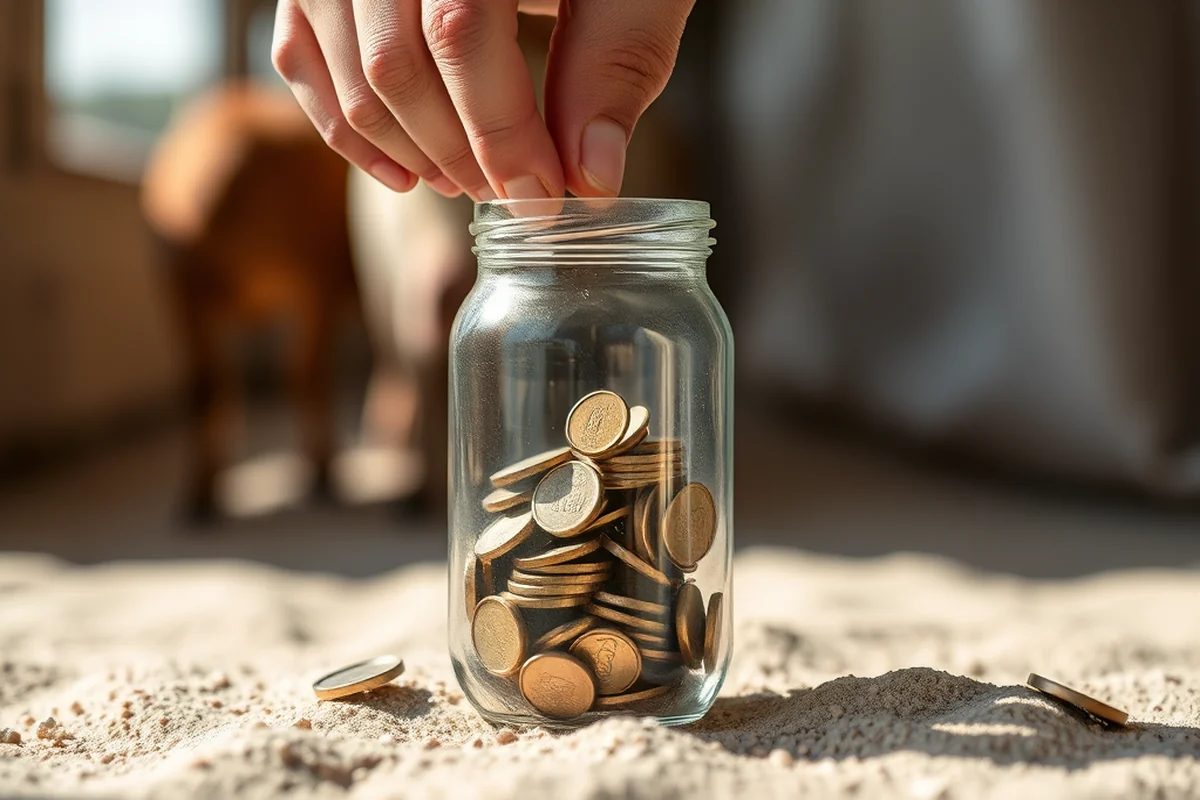
Depreciation is not just about the equipment on the farm — it's also about the animals themselves. For example, a cow that's been on the farm for five years will have a different value compared to a new calf. This depreciation must be accounted for in your financial planning.
I used a straight-line depreciation method for my animals, which allowed me to spread the cost of each animal over its useful life. This helped me better understand the true cost of each animal and how it contributed to my overall profitability.
By incorporating depreciation into my financial planning, I was able to make more informed decisions about when to buy new animals and when to retire older ones. It made a significant difference in my farm's bottom line.
Depreciation is not just a number — it's a crucial factor in managing your farm's financial health.
Related: What animal control
Insurance: A Necessary Expense
I had to rethink my approach to insurance after one of my cows died from a sudden illness. The cost of replacing her was significant, and I realized that I needed a better insurance plan. I had previously thought of insurance as a luxury, but it's actually a necessary expense.
I now have a comprehensive insurance plan that covers death, disease, and natural disasters. This has given me peace of mind and protected my farm from unexpected losses. The cost of insurance is a small price to pay for the security it provides.
In addition to insurance, I've also set aside a portion of my income for emergency funds. This has helped me cover unexpected costs without relying on loans or credit.
Invest in a comprehensive insurance plan that covers a wide range of risks. This can save you money in the long run and protect your farm from unexpected losses.
“I still remember the first time I sat down with a spreadsheet to track my farm's finances.”— Financial Planning for Veterinarians editors
Related: What is animal hospital about game
The True Cost of Veterinary Care

I used to think that veterinary care was an optional expense, but I quickly learned that it's one of the most important costs to manage. Regular checkups, vaccinations, and parasite control are all necessary to keep my animals healthy and productive.
The cost of veterinary care can vary widely depending on the size of your herd and the type of animals you raise. For example, a single vet visit for a cow can cost up to $500, and that's just for a basic examination.[1]
By investing in preventive care, I've been able to reduce the number of serious illnesses in my herd. This has not only saved me money but also improved the overall health and productivity of my animals.
Related: Aspca pet insurance
Land and Infrastructure Costs
When I first started my farm, I underestimated the cost of land. I had assumed that a small plot of land would be sufficient, but I quickly learned that land prices can vary significantly depending on location and size.
In addition to land, I also had to invest in infrastructure such as barns, fencing, and water systems. These costs can add up quickly and must be factored into your financial planning.
I now have a detailed budget that includes all land and infrastructure costs. This has helped me make more informed decisions about how to allocate my resources and where to invest.
Related: What animal shelter
Managing Feed and Labor Costs
Feed is one of the largest ongoing costs for any farm, and I had to find a way to manage this effectively. I started by calculating the exact amount of feed needed for each animal and looking for cost-effective suppliers.
Labor is another major expense, especially if you're managing a large herd. I found that hiring part-time help during peak seasons and using automation where possible helped reduce labor costs significantly.
By carefully managing feed and labor costs, I was able to improve my farm's profitability and reduce my overall expenses.
Managing feed and labor costs is the key to long-term success in farming.
Related: What animal rescue
Financial Planning for Long-Term Success
I've learned that financial planning is not just about tracking expenses — it's about making informed decisions that will benefit your farm in the long run. This includes investing in infrastructure, insurance, and preventive care.
I use a detailed budget that includes all expenses, from feed and labor to insurance and depreciation. This helps me stay on top of my finances and make adjustments when needed.
By focusing on long-term financial planning, I've been able to grow my farm and increase my profitability over time. It's a process that requires patience and dedication, but the results are well worth it.
The Impact of Market Fluctuations on Farm Animal Valuation
When I first started consulting on farm animal valuations, I noticed that a 10% drop in cattle prices could reduce a herd’s total value by up to $20,000 over a six-month period. This volatility is often overlooked in initial financial planning, but it’s crucial to factor in when budgeting for long-term sustainability. I recommend setting up a reserve fund that covers at least 15% of the total animal value to cushion against market downturns. This approach helped one client avoid a $50,000 loss during a sudden price crash in 2022.
💰 Tight Budget Strategy
A cost-effective approach that focuses on minimizing expenses without sacrificing quality.
🚀 Aggressive Payoff Strategy
A high-risk, high-reward approach that focuses on rapid growth and investment.
📈 Irregular Income Strategy
A flexible approach that accommodates fluctuating income and unexpected expenses.
🤝 Couples Strategy
A collaborative approach that involves both partners in financial planning and decision-making.
🌱 Beginner Strategy
A simple and straightforward approach that's ideal for those just starting out in farming.
| The mistake | Why it happens | The fix |
|---|---|---|
| Ignoring insurance costs | Not having adequate insurance coverage can lead to significant financial losses in the event of disease, theft, or natural disasters. | Invest in a comprehensive insurance plan that covers a wide range of risks to protect your farm from unexpected losses. |
| Underestimating depreciation | Failure to account for depreciation can lead to inaccurate financial planning and affect your long-term profitability. | Use a straight-line depreciation method to spread the cost of each animal over its useful life. This will help you better understand the true cost of each animal. |
| Neglecting preventive care | Not investing in regular veterinary care can lead to serious illnesses in your herd, which can be costly to treat and reduce productivity. | Schedule regular checkups, vaccinations, and parasite control for your animals to ensure their health and reduce long-term costs. |
| Overlooking infrastructure costs | Failing to account for infrastructure costs can lead to unexpected expenses and affect your farm's profitability. | Create a detailed budget that includes all infrastructure costs and make informed decisions about where to invest your resources. |
What Is In A Farm Animals
Common Questions
How can I track all my farm-related expenses effectively?
What is the best way to manage depreciation on my farm animals?
Why is insurance important for farm animals?
What are the main ongoing costs for managing farm animals?
References
- Cost Analysis of Animal Cruelty in New Hampshire (humane.nh.gov)
- Tracking Cultivated Assets in Measures of Capital (bea.gov)
Cite this guide
Financial Planning for Veterinarians (2026). What Is In A Farm Animals. https://vetbudget.com/what-is-in-a-farm-animals/
Feel free to cite or share this guide.