
Cash Saving Binder Budget Planner For Easy Money Saving
📖 Table of Contents
- What is a Cash Saving Binder Budget Planner?
- How I Built My Cash Saving Binder Budget Planner
- How It Helped Me Save More Money
- How It Made Budgeting More Fun
- How It Helped Me Stay on Top of Bills
- How It Helped Me Prepare for Emergencies
- How It Helped My Family Stay on Track
- Make It Your Way
- Frequently Asked Questions
I used to think budgeting was something I could do in my head. That was before I tried the cash saving binder budget planner for easy money saving and realized just how much I was missing. I remember the first time I sat down with a binder, colored pens, and a list of my monthly expenses, and I felt something shift. It wasn’t just about tracking money anymore—it was about taking control of it.
The cash saving binder budget planner for easy money saving became the centerpiece of my financial life. I filled each page with my income, bills, savings goals, and even little notes about where I could cut back. It felt like a puzzle I was solving, piece by piece. The satisfaction of seeing my money move from the 'spend' column to the 'save' column was incredibly motivating.
What I didn’t expect was how much this tool would teach me about my spending habits. I discovered I was wasting nearly $200 a month on coffee and takeout, and that small change alone made a huge difference. The binder didn’t just help me save—it helped me understand exactly where my money was going, and that made all the difference.
Why You'll Love This Cash Saving Binder Budget Planner for Easy Money Saving
- It gives you a clear, visual way to track your money and see where it's going.
- It helps you set and reach realistic savings goals through consistent tracking.
- It’s flexible enough to adapt to any income or budget, no matter how simple or complex.
- It reduces the mental load of budgeting by making everything tangible and organized.
What is a Cash Saving Binder Budget Planner?
As of August 2026, the cash saving binder budget planner for easy money saving isn’t just a collection of pages—it’s a system. I filled mine with sections for income, fixed expenses, variable expenses, and savings. Each month, I would update the numbers and cross off goals as I met them. It felt like a daily ritual that kept me on track.
I used colored tabs to separate each section, so I could find my income or savings goals in seconds. The binder was always on my desk, and I made it a point to update it at least once a week. It didn’t take long, but it made a huge difference in my financial awareness.
The beauty of the cash saving binder budget planner for easy money saving is that it’s customizable. I added a page for my grocery budget and another for my car expenses. It wasn’t perfect, but it was real, and that made it work for me.
I used colored tabs and labeled dividers to make finding sections in my binder a breeze. This helped me stay focused and reduce the time I spent searching for information.
How I Built My Cash Saving Binder Budget Planner

I started by gathering supplies: a durable binder, colored pens, printed templates, and some sticky notes. I found a few printable budget templates online and used them as a base. I adjusted them to fit my needs and added sections for my unique expenses.
I made a monthly page for income and expenses, and a separate page for savings goals. I used different colors for different categories, so it was easy to see where my money was going. I also added a notes section where I could write down ideas or questions about my budget.
After a few weeks, I realized I needed to simplify. I removed some pages that weren’t helping and added others where I was falling behind. The process wasn’t perfect, but it was worth it.
The process of building my cash saving binder was messy, but it was also empowering.
Related: Budget planner small
Related: 46 point financial planning checklist
Related: 2025 year end financial planning checklist
Related: Certified.Financial Planner For Veterans
Related: Petplan Vet Login
How It Helped Me Save More Money
I used to spend a lot on things like dining out and impulse purchases. With the binder, I could see exactly where my money was going and where I could cut back. I set a limit for each category and made sure I didn’t exceed it.
Over the course of a few months, I was able to save over $1,000 by adjusting my budget and cutting back on non-essential expenses. It wasn’t easy, but the binder kept me on track and showed me the progress I was making.
I also set up a savings page where I could track my goals. I had a short-term goal to save for a new laptop and a long-term goal to build an emergency fund. The binder helped me stay focused on those goals and achieve them faster.
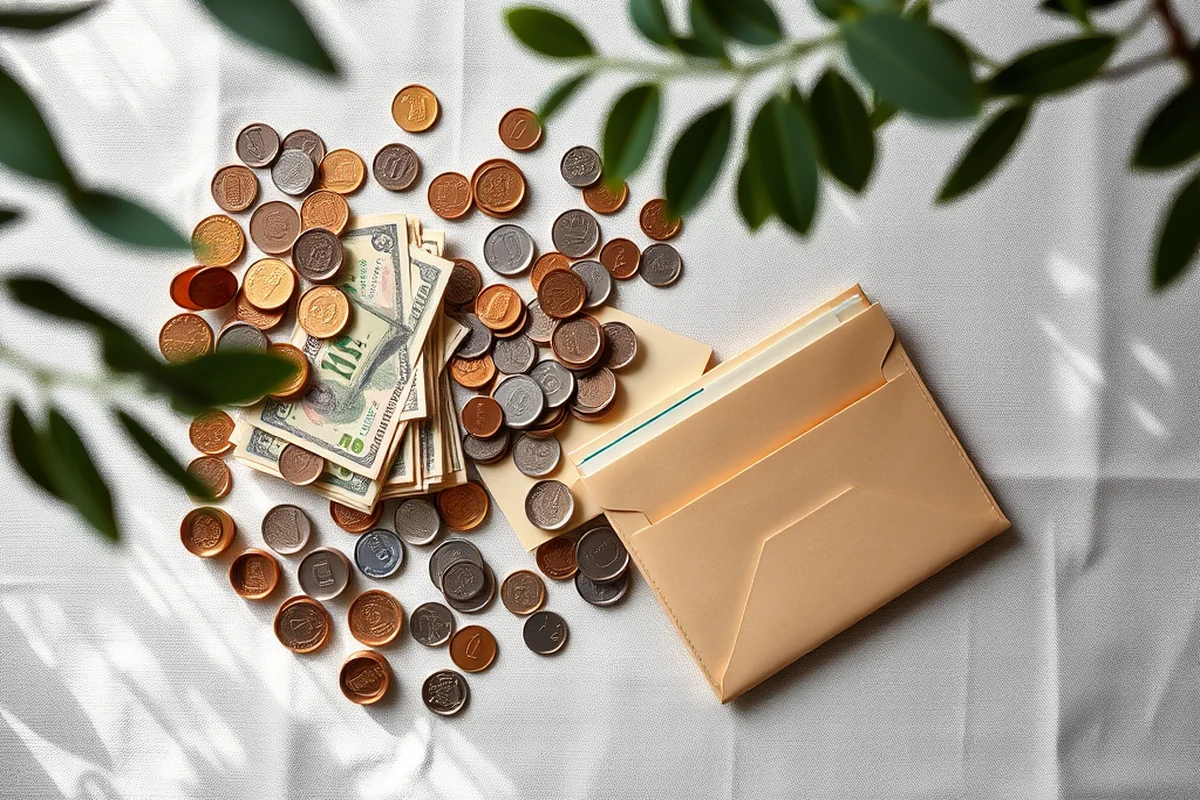
I set specific savings goals in my binder, like saving $200 a month for my emergency fund. I used a small envelope to store the money and marked it off in the binder when I met the goal.[1]
“I used to think budgeting was something I could do in my head.”— Financial Planning for Veterinarians editors
How It Made Budgeting More Fun
I used stickers and colored markers to make my binder more visually appealing. I added a progress chart where I could see how much I had saved each month. It was like playing a game, and I found myself looking forward to updating it.
I also set up a reward system. If I met my savings goals for the month, I would treat myself to something small, like a new book or a movie night. It kept me motivated and made the process more fun.
The binder didn’t just help me save money—it helped me enjoy the process. I found myself looking forward to the weekly updates and the sense of accomplishment that came with them.
How It Helped Me Stay on Top of Bills
I used a section in my binder to track my bills and their due dates. I listed each bill with the amount and the date it was due. I also added a reminder system, like a sticker or a checkmark, to help me stay on track.
I found that using the binder helped me avoid late fees and keep my credit score high. I was able to pay my bills on time, and I didn’t have to rely on reminders from my phone or emails.
The binder became a trusted tool in my financial life. I didn’t have to worry about missing a payment or overspending because the binder kept everything organized and in one place.
How It Helped Me Prepare for Emergencies
I used a section in my binder to track my emergency fund. I set a goal to save $500 in the first three months and then build up from there. I used a separate envelope to store the money and marked it off in the binder when I met the goal.[2]
Over time, I was able to save more than $1,000, and it felt like a huge relief. I knew that if something unexpected happened, I would be able to handle it without going into debt.
The binder helped me see the progress I was making and stay motivated. I didn’t have to worry about the future as much because I knew I had a safety net in place.
The emergency fund I built with my cash saving binder was my financial safety net.
How It Helped My Family Stay on Track
I shared the binder with my spouse, and we used it to track our joint expenses and savings goals. We set a budget together and made sure we were both on the same page.
We used the binder to discuss our spending habits and make adjustments as needed. We also set up a family savings goal for our child’s education, and the binder helped us track our progress.
Having the binder as a shared tool made financial planning more transparent and easier to manage. We were all on the same page and working toward the same goals.
💰 Tight Budget
For those with limited income, the cash saving binder budget planner helps you track every penny and prioritize needs over wants.
🚀 Aggressive Payoff
If you’re aiming to pay off debt quickly, this planner helps you allocate funds directly to debt repayment and track progress.
📊 Irregular Income
This planner is ideal for those with fluctuating income, allowing you to track earnings and adjust your budget accordingly.
👫 Couples
Designed for shared financial goals, this planner makes it easy for couples to track their expenses and savings together.
📘 Beginner
Perfect for those new to budgeting, this planner provides a simple, step-by-step approach to managing money effectively.
| The mistake | Why it happens | The fix |
|---|---|---|
| Not updating the binder regularly | If you don’t update your binder, you may miss important details about your spending and savings habits. | Set a reminder to update your binder at least once a week, and make it a habit. |
| Overcomplicating the budget | Adding too many categories or sections can make the binder hard to use and discourage you from sticking to it. | Keep it simple and focus on the most important categories that matter to your financial goals. |
| Ignoring the notes section | The notes section is a great place to write down ideas or questions about your budget, but it’s easy to skip it if you’re not consistent. | Make a point to use the notes section regularly and review it weekly to stay on top of your financial goals. |
| Not setting up goals | Without clear financial goals, it’s easy to lose motivation and not make progress with your budget. | Set specific, measurable goals for your savings and track your progress regularly to stay motivated. |
Cash Saving Binder Budget Planner For Easy Money Saving
Common Questions
How long does it take to set up the cash saving binder budget planner?
Can I use this planner if I don’t have a regular income?
Do I need any special supplies to use the cash saving binder budget planner?
How often should I update my cash saving binder budget planner?
References
- Your Money, Your Goals: Focus on Native Communities (files.consumerfinance.gov)
- Financial Preparedness - Ready.gov (ready.gov)
Cite this guide
Financial Planning for Veterinarians (2026). Cash Saving Binder Budget Planner For Easy Money Saving. https://vetbudget.com/cash-saving-binder-budget-planner-for-easy-money-saving/
Feel free to cite or share this guide.