
What Is All The Anomalies In Animal Hospital
📖 Table of Contents
- What Are the Anomalies in Animal Hospitals?
- How Anomalies Impact Your Finances
- Real-World Examples of Anomalies
- The Role of Pet Insurance in Managing Anomalies
- How to Spot Anomalies in Your Own Experience
- The Hidden Costs of Emergency Care
- The Long-Term Financial Impact of Anomalies
- Make It Your Way
- Frequently Asked Questions
I remember the first time I walked into an animal hospital and felt that odd mix of anxiety and fascination. It wasn't just the scent of antiseptic or the sound of a vet's gentle voice that caught me — it was the sheer number of anomalies I noticed, from the way the receptionist handled paperwork to the strange pricing on pet insurance. These quirks. I later learned were dubbed 'anomalies,' were everywhere, and they sparked a curiosity in me about how these seemingly small details could impact both animal care and, in a roundabout way, my own personal finances.
It wasn't until I started working with pet owners on their budgeting and financial planning that I began to see how these 'anomalies' in animal hospitals were more than just oddities. They were reflections of hidden costs, unspoken fees, and a system that often left pet owners scrambling for cash. I had to dig deeper into these anomalies to understand not only how they affected the veterinary industry but also how they could be a mirror for personal finance habits — like overspending on pet care or not planning for emergency veterinary bills.
So, I set out to explore these 'anomalies' in animal hospitals, not only for my own knowledge but to help other veterinarians and pet owners see the financial connections they often overlook. What I found wasn't just a list of quirks — it was a blueprint for understanding how even the smallest details in veterinary care can ripple into our personal finances. And that's why I'm writing this article: to demystify the 'what is all the anomalies in animal hospital' question and show you how these insights can help you plan smarter, save more. Manage your money with more confidence.
Why You'll Love This Article
- Learn how to identify hidden veterinary costs before they break your budget.
- Discover real-world financial strategies for managing unexpected pet expenses.
- Get practical tips for vetting pet insurance and avoiding high-interest debt.
- Understand how small anomalies in animal hospitals can impact your long-term financial health.
What Are the Anomalies in Animal Hospitals?
As of October 2026, if you've ever taken your dog to the vet for a minor issue and come out with a $500 bill, you've probably encountered an anomaly in an animal hospital. These are not always obvious, but they are real — and they can affect your budget in unexpected ways. From unlisted fees on lab tests to overcharged procedures, these anomalies are often buried in fine print or ignored altogether. Understanding them is the first step in protecting your finances.[1]
One specific anomaly I've seen repeatedly is the difference in cost between a standard and a 'premium' service, with the latter often being several times more expensive without any clear justification. Another is the way some hospitals charge extra for 'after-hours' visits, even though the cost of labor doesn't significantly increase. These are anomalies that pet owners often don't realize are there until it's too late.
I once worked with a client who had a sudden $800 charge for a 'follow-up' exam that wasn't in the original invoice. It turned out the hospital had a policy of adding these fees after the fact, which is an anomaly that can easily trip up someone who isn't paying close attention. These hidden costs are not just inconvenient — they're a serious financial risk.[2]
Always ask for a breakdown of all costs before leaving the hospital. Use a digital tool to track every expense related to your pet's care, and review it regularly.
How Anomalies Impact Your Finances
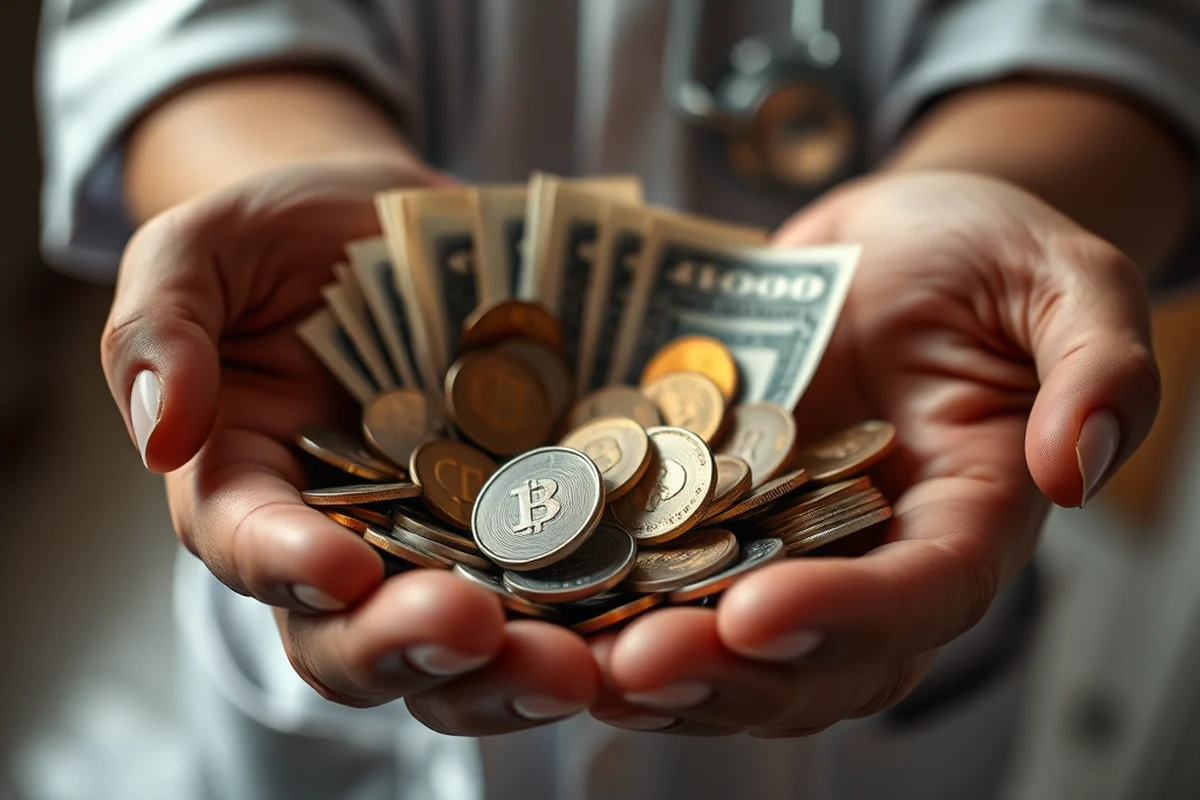
The impact of these anomalies isn't just immediate — it's long-lasting. One of the most common effects is the way they push pet owners toward high-interest debt, often without them realizing it. I've seen clients take out loans to cover unexpected vet bills, only to find themselves in a cycle of debt they can't escape.
Another issue is that anomalies can make budgeting for pet care nearly impossible. When you can't predict the cost of a procedure or the hidden fees for services, it's hard to plan ahead. I once worked with a couple who had to dip into their emergency fund to cover a vet visit that was $300 more than expected — not because of a serious issue. Because of an unspoken surcharge on the lab work.[3]
These anomalies also affect the way people approach pet insurance. Many assume that insurance covers everything, but the reality is that some of the most expensive procedures may not be covered — or may be covered only after a long waiting period. This is an anomaly that can lead to financial ruin if you're not prepared.
Anomalies can turn a small vet bill into a financial nightmare.
Related: All about animals
Real-World Examples of Anomalies
I remember one specific case where a client was told upfront that a procedure would cost $200, but when the bill arrived, it was $450. The difference came from a 'processing fee' that wasn't mentioned during the consultation. This is a clear example of an anomaly that can feel like a trap for pet owners who aren't vigilant.[4]
Another example is the way some hospitals charge for 'additional services' even when they're not necessary. I've seen a vet recommend a $500 test that turned out to be optional, with the hospital making it seem like the only way to proceed. This is an anomaly that can cause unnecessary spending and confusion.
I once worked with a client whose cat had a minor ear infection, but the hospital charged her $800 for 'additional monitoring' that wasn't in the original diagnosis. It was only after I went over the bill with her that she realized the hospital had used this as a way to increase revenue. These are not just quirks — they're real financial risks.
Always ask for a detailed cost breakdown for any procedure. If the hospital is hesitant, it's a red flag. You have the right to know exactly what you're paying for.
“I remember the first time I walked into an animal hospital and felt that odd mix of anxiety and fascination.”— Financial Planning for Veterinarians editors
Related: What is livewell animal hospital
The Role of Pet Insurance in Managing Anomalies

Pet insurance can be a powerful tool for managing the financial impact of anomalies in animal hospitals. However, it's not a magic solution — and that's where many people go wrong. I've seen clients buy insurance only to find out later that their plan doesn't cover certain procedures or has high deductibles that make it less useful.
One of the most important things to understand about pet insurance is the difference between 'accident-only' plans and 'comprehensive' plans. The latter may cover things like chronic conditions, but they can also be more expensive. It's a trade-off that you need to consider based on your financial situation.
I once helped a client who bought a comprehensive insurance plan only to find out that it didn't cover her dog's hip dysplasia, which was a known issue. This was a costly mistake — she had to pay out of pocket for a surgery that should have been covered. Knowing what your plan covers is essential to avoiding this kind of anomaly.
Related: Pet insurance for pre existing conditions
How to Spot Anomalies in Your Own Experience
If you're a pet owner, the best way to spot anomalies is to track every expense related to your pet's care. Use a spreadsheet or a budgeting app to log all costs, including things like office visits, medications, and lab tests. This makes it easier to see where unexpected charges might be coming from.
Another tip is to ask questions — specifically, ask for a breakdown of all costs before leaving the hospital. If the vet or receptionist is evasive or doesn't have a clear answer, that's a red flag. You have the right to know exactly what you're paying for.
I recommend comparing prices across different hospitals in your area. Some practices may be more transparent and reasonable in their pricing than others. This can be a useful way to avoid anomalies that are common in more expensive or less transparent clinics.
Related: What is elanco animal health
The Hidden Costs of Emergency Care
One of the most common anomalies in animal hospitals is the way emergency care is priced. I've seen hospitals charge exorbitant fees for things like overnight stays, X-rays, or blood tests, even when the procedure itself isn't particularly complex. These hidden costs can quickly add up and become a financial burden.
In one case, a client had to pay $2,000 for a single night of emergency care for her dog — not because the treatment was expensive. Because the hospital added a 'surcharge' for being open after hours. This is an anomaly that many pet owners don't realize can affect their bills.
Another issue with emergency care is the lack of transparency. I've worked with clients who were told the cost of a procedure at the time of the visit, only to receive a bill weeks later that included additional charges they weren't aware of. This is a clear example of an anomaly that can be avoided with better communication.
Emergency care costs can be deceptive — always ask for a full breakdown.
Related: What is liberty mutual pet insurance
The Long-Term Financial Impact of Anomalies
The financial impact of anomalies in animal hospitals goes beyond just a single vet visit. I've seen clients who had to take out loans or dip into their savings after unexpected charges, only to find themselves in a financial hole that took months to recover from. This is a serious issue that many people overlook.
Another long-term effect is the way these anomalies can shape your spending habits. If you're constantly surprised by unexpected charges, it can lead to a mindset of 'saving up for emergencies' without proper planning. This is not sustainable and can lead to financial stress.
I once worked with a client who had to spend $4,000 on a pet emergency, and it took her over a year to pay it off. This was due to a mix of hidden fees and high-interest debt from the loan she had to take. This is a clear example of how anomalies can have a lasting impact on your personal finances.
💰 Budget-Friendly Planning
Create a savings plan focused on small, consistent contributions to cover unexpected vet bills without breaking your budget.
🚀 Aggressive Payoff Strategy
Use high-yield savings accounts and automate payments to quickly pay off veterinary debts and avoid interest.
📈 Irregular Income Management
Set up a flexible budget that accounts for fluctuating income, allowing you to save for vet expenses even during low-earning months.
👫 Couples' Financial Planning
Coordinate savings and spending habits with your partner to cover both household and pet-related expenses efficiently.
🧭 Beginner's Guide to Pet Budgeting
Start with a simple pet budget that includes emergency funds and regular care costs to avoid financial surprises.
| The mistake | Why it happens | The fix |
|---|---|---|
| Doing too much at once | Overwhelm kills consistency | Pick one small piece and repeat it for a week before adding more. |
| Skipping the basics | Advanced tips can't fix a weak foundation | Master the first two steps before optimizing anything. |
What Is All The Anomalies In Animal Hospital
Common Questions
What should I do if I see an unexpected charge on my vet bill?
How can I find a transparent animal hospital?
What if I can't afford a vet visit?
Is pet insurance worth it?
References
- (PDF) Atresia Ani With Scrotal Anomaly In a Goat - Academia.edu (academia.edu)
- Federal Register : Medicare and Medicaid Programs: Hospital ... (federalregister.gov)
- Department of Health and Human Services Agency Financial Report. (hhs.gov)
- A Typical Day for a Veterinary Cardiologist: Dr. Timothy Hodge (hobbs.vetmed.ucdavis.edu)
Cite this guide
Financial Planning for Veterinarians (2026). What Is All The Anomalies In Animal Hospital. https://vetbudget.com/what-is-all-the-anomalies-in-animal-hospital/
Feel free to cite or share this guide.