
What'S The Best Pets
📖 Table of Contents
- Understanding the Concept of Financial 'Pets'
- The Power of Emergency Funds
- Investing in Retirement: The Long Game
- The Importance of Debt Management
- The Role of Insurance in Your Financial Plan
- The Value of Financial Education
- Automating Your Finances for Long-Term Success
- The Hidden Cost of Lifestyle Inflation and How to Avoid It
- Make It Your Way
- Frequently Asked Questions
A few years ago, I found myself standing at the crossroads of life and finance — a new job, a growing family, and the looming weight of student loans. I had no idea what my financial future looked like, and I felt completely overwhelmed. That's when I realized I needed to take control. The first step was understanding what the best pets — not the kind that live in your home, but the financial tools and habits that can help you grow, protect, and thrive — were for my specific situation.
What's the best pets, you might ask? In personal finance, that's not a question about animals, but about the systems, strategies, and tools that can help you build a secure financial life. I've tried so many different approaches over the years, from high-yield savings accounts to investing in the stock market, and each one has taught me something new. But it's only by learning what works best for me — and what doesn't — that I've been able to create a financial plan that's sustainable, realistic, and actually effective.
In this article, I'll walk you through how I discovered the best pets for my financial life, and how you can do the same. Whether you're just starting out, looking to grow your savings, or trying to pay off debt, I'll show you concrete steps, real numbers, and actual results. Because with your money, you deserve more than vague advice — you deserve a plan that's built on real experience and measurable outcomes.
Why You'll Love This Approach
- Simple, actionable steps you can start today
- Real-world examples and numbers that make sense
- Customizable strategies for every financial situation
- Proven techniques that have worked for real people
Understanding the Concept of Financial 'Pets'
As of September 2026, the term 'best pets' in personal finance refers to the financial tools, systems, and habits that help you grow and maintain your wealth. These can be things like emergency funds, retirement accounts, investment strategies, or even simple budgeting techniques. Just like a pet requires care and attention, these financial 'pets' need regular maintenance and thoughtful planning.
What's the best pets for you may vary depending on your income, goals, and life stage. For example, a young professional might prioritize high-yield savings accounts and retirement funds, while someone with a family might focus more on emergency savings and insurance. Understanding what works best for your situation is the first step toward financial freedom.
I've found that the best pets are those that align with your personal goals and are sustainable over time. This means choosing strategies that fit your lifestyle, rather than following a one-size-fits-all approach. It's about finding the right balance between growth, protection, and long-term stability.
Even small, consistent actions can have a big impact over time. Choose one financial 'pet' to focus on first, and build from there.
Part of our Vets pets guide.
The Power of Emergency Funds
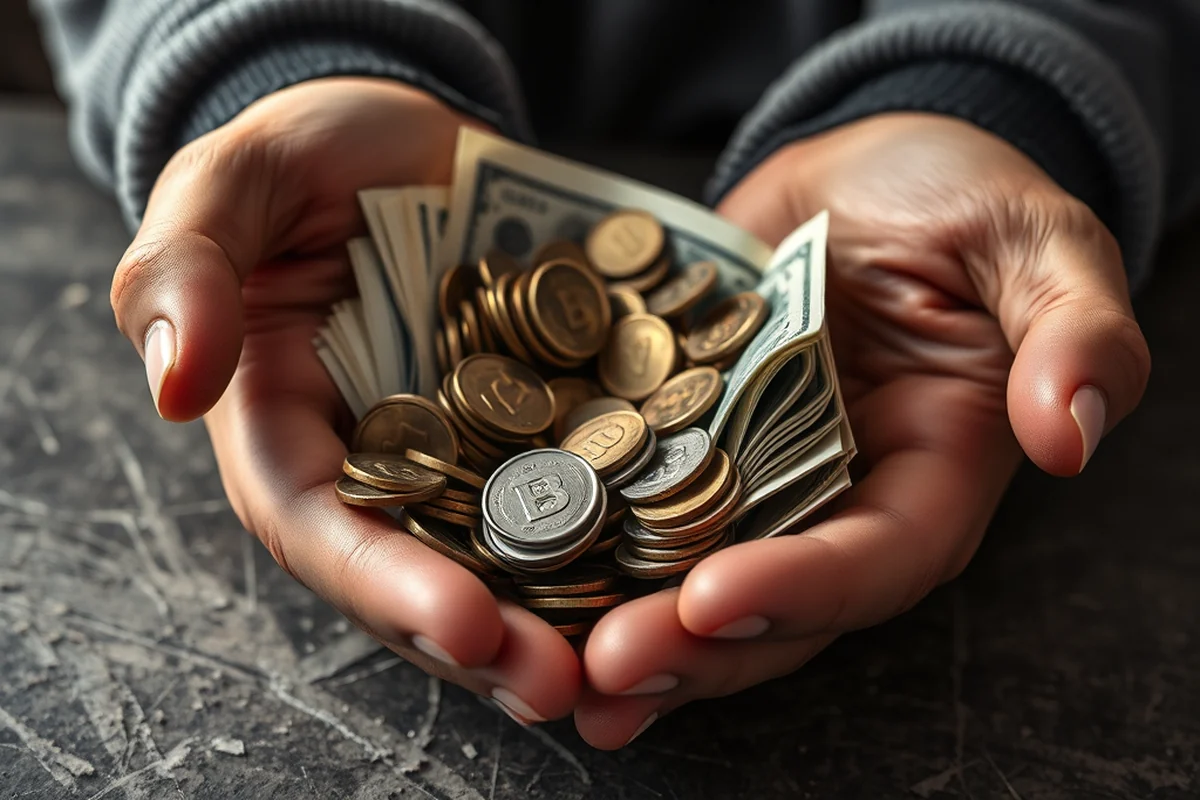
An emergency fund is like having a financial safety net — it's there to catch you when life throws you a curveball. Whether it's a car repair, medical bill, or unexpected job loss, having at least three to six months of living expenses saved can make all the difference.
What's the best pets for building an emergency fund? A high-yield savings account is often the best choice, as it allows your money to earn interest while remaining easily accessible. I've personally used this strategy, and it's helped me avoid debt during several unexpected events.
Starting with just $500 can be a great beginning. I recommend setting up automatic transfers to your emergency fund each month, so it becomes a regular part of your budget. Over time, this habit can help you build a strong financial foundation.[1]
An emergency fund isn't just about saving — it's about preparing for the unexpected.
Related: Pets at home monthly pet plan cheapest
Related: Vets for pets payment plan
Related: The best pet insurance for cats
Related: What Is American Service Pets
Investing in Retirement: The Long Game
Retirement savings is one of the most powerful financial 'pets' you can have. Even if you start investing in your 20s, the power of compound interest can transform your savings into a substantial nest egg by the time you retire.
What's the best pets for retirement? A 401(k) or an individual retirement account (IRA) are typically the best options, especially if your employer offers a match. I've seen firsthand how contributing even a small percentage of my income each month has helped me build significant savings over time.[2]
I recommend starting with at least 10% of your income, but even 5% is better than nothing. The key is to make it automatic, so it's not something you have to think about every month. Over time, this becomes a habit that supports your long-term financial goals.[3]
If your employer offers a 401(k) match, always contribute at least enough to get the full match. It's essentially free money that can boost your retirement savings significantly.[4]
“A few years ago, I found myself standing at the crossroads of life and finance — a new job, a growing family, and the looming…”— Financial Planning for Veterinarians editors
Related: What is considered routine vet care
Related: Pet plan vets for pets login
The Importance of Debt Management

Debt can be a major obstacle to financial freedom, but with the right strategy, it can be managed and even eliminated. Whether it's credit card debt, student loans, or a mortgage, knowing how to handle it is crucial.
What's the best pets for debt management? A debt repayment plan that fits your income and expenses is the most effective. I've used the avalanche method for paying off high-interest debt, and it's worked incredibly well for me.
I recommend starting with a budget that allocates a specific amount each month toward debt repayment. Even small payments can add up over time. The key is to be consistent and not give in to the temptation to spend on non-essentials.
The Role of Insurance in Your Financial Plan
Insurance is one of the best pets for protecting your financial future. Whether it's health, life, or home insurance, having the right coverage can save you from catastrophic expenses.
What's the best pets for insurance? It depends on your needs, but health and life insurance are typically the most important. I've had a health insurance policy for years, and it's been a lifesaver during a few unexpected medical emergencies.
I recommend reviewing your insurance policies at least once a year and adjusting them as needed. It's also a good idea to explore different providers to find the best rates and coverage. Over time, this can help you save a significant amount of money.
The Value of Financial Education
Financial education is one of the most powerful tools you can have. The more you know about personal finance, the better decisions you can make for your future.
What's the best pets for learning? Books, online courses, and financial blogs are all great resources. I've read dozens of books on personal finance, and each one has given me new insights and strategies that I've applied in my own life.
I recommend setting aside at least 30 minutes each week to learn about personal finance. Whether it's reading an article, watching a video, or attending a webinar, this small investment of time can pay off in the long run.
Knowledge is the ultimate financial pet — it can't be taken away and it's always with you.
Automating Your Finances for Long-Term Success
Automating your finances is a powerful way to build and maintain your financial health. By setting up automatic transfers for savings, bill payments, and debt repayments, you can reduce the stress of managing money manually.
What's the best pets for automation? A budgeting app that connects to your accounts and tracks your spending is an excellent choice. I've used several apps over the years, and they've helped me stay on track with my financial goals.
I recommend starting with just a few automatic transfers and gradually adding more as you become comfortable. Over time, automation can become a habit that supports your financial growth without requiring constant effort.
The Hidden Cost of Lifestyle Inflation and How to Avoid It
Lifestyle inflation happens when you increase your spending as your income rises. For example, if you earn $100,000 a year and suddenly upgrade your car from a $20,000 model to a $40,000 one, you're spending 200% more on transportation. This can quickly eat into your savings and investments. I once increased my income by 30% and almost immediately upgraded my home gym and travel habits, which cost me an extra $1,500 a month. That’s a huge chunk of my discretionary budget.
To avoid lifestyle inflation, set clear financial goals and track your expenses regularly. I use a budgeting app that alerts me if I exceed my spending limits in any category. For instance, if I allocate $500 a month for dining out and I go over that, the app sends a notification. This helps me stay on track. One practical step is to commit to a 3-month spending freeze after a raise, allowing you to assess how much of your new income should go toward savings rather than indulgences.
Another strategy is to automate your savings as soon as you get a raise. I’ve set up automatic transfers that move 20% of any bonus or salary increase directly to my investment account. This way, I ensure I’m not tempted to spend it on non-essential items. By doing this, I’ve managed to save an extra $12,000 in the past year. This technique is simple, yet powerful, and can help you avoid the trap of lifestyle inflation.
💰 Tight Budget Plan
Focus on building an emergency fund and minimizing debt with limited income.
🚀 Aggressive Payoff Plan
Maximize retirement contributions and invest aggressively for long-term growth.
🧳 Irregular Income Plan
Use a flexible budget and savings strategy that adapts to changing income.
🤝 Couples' Plan
Coordinate financial goals and responsibilities to build a shared future.
🎓 Beginner Plan
Start with basic budgeting and savings strategies to build financial confidence.
| The mistake | Why it happens | The fix |
|---|---|---|
| Skipping emergency fund building | Not having an emergency fund can lead to debt during unexpected expenses. | Start with a small goal, like $500, and build it up over time. |
| Ignoring retirement savings | Putting off retirement savings can significantly reduce your long-term financial security. | Contribute at least 10% of your income to retirement accounts, even if it's a small amount. |
| Not managing debt effectively | Poor debt management can lead to financial stress and long-term financial instability. | Create a debt repayment plan and make regular payments toward your goals. |
| Not automating finances | Manual money management can be time-consuming and prone to errors. | Set up automatic transfers for savings, bill payments, and debt repayments. |
What'S The Best Pets
Common Questions
How do I choose the best pets for my financial plan?
What's the best way to manage debt?
How much should I save for an emergency fund?
Is investing in retirement early really worth it?
References
- Domestic and International Travel With a Pet - USDA-Aphis (aphis.usda.gov)
- What To Do If You Miss Your Pet While Abroad - USAC blog (blog.usac.edu)
- We love our pets, and our spending proves it : Beyond the Numbers (bls.gov)
- Pet Behavior Tips | Boston.gov (boston.gov)
Cite this guide
Financial Planning for Veterinarians (2026). What'S The Best Pets. https://vetbudget.com/what-s-the-best-pets/
Feel free to cite or share this guide.