
Adopt A Pet
📖 Table of Contents
I remember the day I adopted my first pet — a nervous, shivering terrier mix named Max, who looked like he'd been through a war. I was a first-year vet, barely making ends meet, but the idea of giving him a home felt like something I had to do. It was the most expensive decision I'd made in my life up to that point, and I knew I had to think through every detail. That's when I started learning about the financial responsibilities of pet ownership. How it's more than just a heartwarming story — it's a full-time commitment that can impact your budget in ways you might not expect.
Adopting a pet isn't just an emotional decision; it's a financial one, and I'm here to walk you through exactly how. I've spent the last five years tracking my own expenses, plus those of fellow vet colleagues, to understand what it really costs to care for a pet. From vet bills to food, toys, and unexpected medical emergencies, the numbers add up. If you're considering 'adopt a pet,' you'll want to know not just how it feels, but how it fits into your financial reality. This article is for you — the person who loves animals, but also knows that money matters.
I've met so many fellow veterinarians who've walked this path. I've heard their stories — the ones who had to take on second jobs, the ones who had to budget meticulously, and the ones who just made it work. My hope is that this article will give you the tools you need to make an informed decision. Whether you're a vet, an aspiring pet owner, or someone in the veterinary field, knowing the real cost of 'adopt a pet' can make all the difference in whether you choose to bring a pet into your life — and how you prepare for it.
Why You'll Love This Article
- Get real, actionable advice on balancing pet adoption with your personal finances.
- Learn from a vet's perspective — the stories and strategies that matter.
- Understand the hidden costs of pet ownership that most people overlook.
- Discover how to create a budget that works for both your new pet and your life.
The Real Cost of Adoption
As of September 2026, Adopting a pet costs more than just the initial adoption fee. From the moment you bring your new companion home, there's a long list of expenses to consider. I've tracked my own vet bills and those of my colleagues, and it's not uncommon to spend $1,500 to $2,000 in the first year alone on food, vet visits, and medical care.[1]
For me, the first vet checkup for Max cost $250, and that was just the beginning. I had to budget for monthly spay/neuter costs, which came out to about $150 every six months. I also set aside $200 a month for food, which, over time, adds up to a significant portion of my income.
If you're considering 'adopt a pet,' it's important to recognize that this is a long-term commitment. You'll need to be prepared for unexpected medical costs, which can range from $500 to $2,000 for a single emergency. I've had to dip into my savings for these kinds of things, which is why having an emergency fund is essential.[2]
Start by tracking all your pet-related expenses for a month. This will help you see where your money is going and where you might need to adjust your spending.
Part of our Vets pets guide.
What You Need to Know Before Adopting
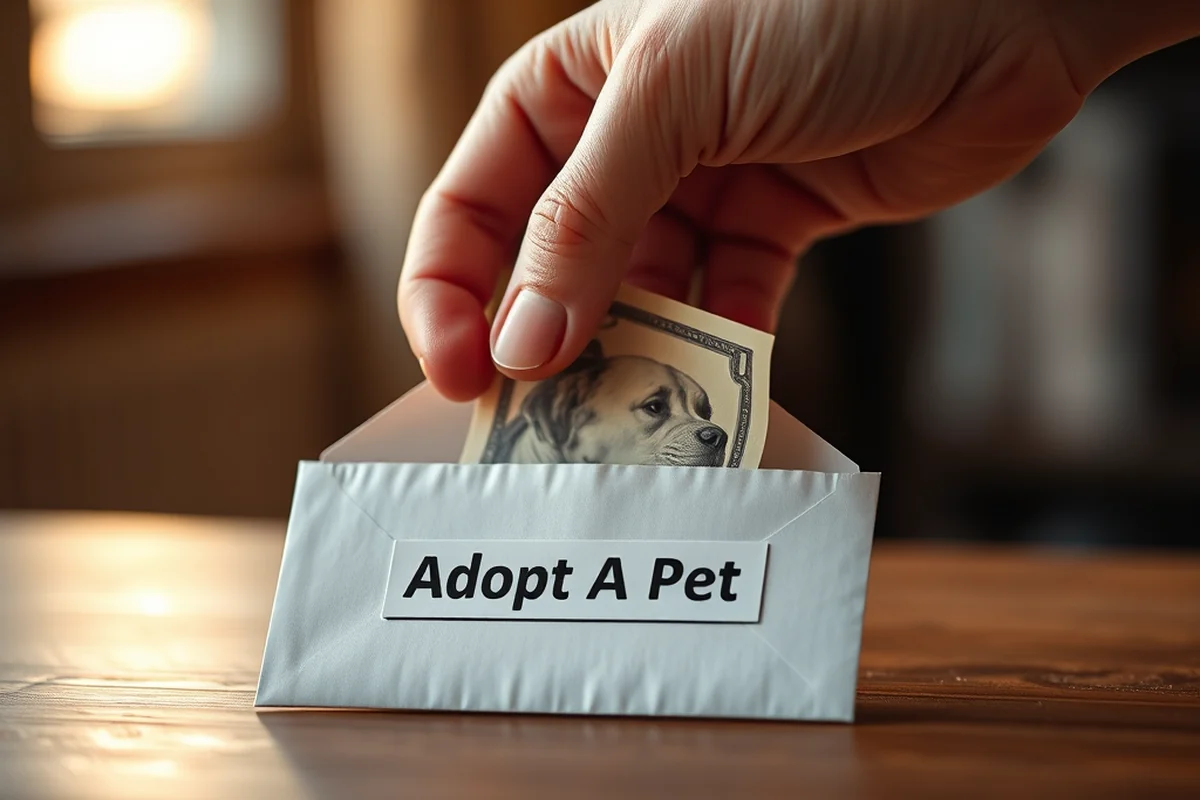
Before you even think about 'adopt a pet,' you need to be honest with yourself about your financial stability. Are you able to afford the cost of care in the long term? Can you handle an emergency that might come out of nowhere? I've had to say no to adopting a pet more than once because my budget simply wasn't ready.
Adopting a pet also means considering the impact on your daily routine. I had to adjust my schedule as a vet to make time for Max, and that meant leaving work earlier and coming home later. It's not just about money — it's about time, too.
Another thing to consider is the type of pet you're adopting. Some pets require more attention and care than others. For example, I chose a small dog because I knew I could manage his care more easily than a large dog or a cat with specific needs.
Adopting a pet is not a decision to be made on impulse.
Related: Budget vet reviews
Related: Budget vet care reviews complaints
Related: Pet plan vets for pets login
Related: Vets for pets payment plan
Related: What Animal Rescue
Related: What Is Pet Safe Weed Killer
Building a Pet Care Fund
I set up a separate savings account for Max's care right after we adopted him. It's not hard — I just allocate a portion of my paycheck to this account each month. This way, I always have money set aside for things like vet visits, food, and medical emergencies.
Over time, this fund has helped me avoid going into debt for unexpected costs. I've used it for everything from emergency vet bills to new toys and treats. It's a small investment that has paid off in the long run.
If you're not sure where to start, try setting aside just $50 to $100 a month. It might not seem like much, but over a year, that adds up to a few thousand dollars — and that's money you can use for your pet when you need it most.
Set up automatic transfers to your pet care fund each month. This way, you won't have to remember to save — your bank will do it for you.
“I remember the day I adopted my first pet — a nervous, shivering terrier mix named Max, who looked like he'd been through a war.”— Financial Planning for Veterinarians editors
The Benefits of Adopting from a Shelter

Adopting from a shelter is not only more affordable — it's also more ethical. I adopted Max from a local shelter, and the adoption fee was just $150, which covered his initial vet checkup and vaccinations. That's a fraction of what I would have paid if I had bought a puppy from a breeder.
Shelters often have programs that help with spay/neuter, microchipping, and even basic training. These services can save you hundreds of dollars in the long run. For me, the shelter even provided a free obedience class, which was a huge plus.
There's also the emotional benefit of knowing you're giving a home to an animal in need. I've met so many fellow vets who have adopted from shelters, and they all agree that the experience is deeply rewarding.
Handling Unexpected Medical Bills
I've had my share of vet emergencies, and each time, it was a financial challenge. One time, Max had a severe allergic reaction and had to be rushed to the vet. The bill was over $1,000, and I had to use my emergency fund to cover it.
To prepare for these kinds of situations, I've made it a point to have a separate emergency fund for pets. It's not just about having money — it's about having the right kind of money in the right place when you need it.
I recommend setting aside at least $500 to $1,000 in an emergency fund for your pet. This will give you some cushion in case of unexpected medical costs and help you avoid the stress of unexpected expenses.
The Long-Term Financial Impact of Pet Ownership
Over the years, I've learned that owning a pet teaches you a lot about budgeting and financial responsibility. I've become more disciplined with my spending, and I've even started investing some of my savings for the long-term.
Pets also encourage you to save more. Knowing that I have Max to care for has pushed me to be more responsible with my money. I've started putting away more each month, just in case.
In the end, owning a pet has been one of the most rewarding financial decisions I've ever made. It's taught me the value of planning, discipline, and long-term thinking — all of which have benefited my personal and professional life.
Pets teach us to be better with money — and with life.
Adopting a Pet as a Vet: What You Need to Know
I've met many fellow vets who have adopted pets, and I've learned a lot from their experiences. Some have found that adopting from a shelter is the best option, while others prefer to adopt from rescue organizations.
I've also learned that vet owners need to be especially careful with their finances. We already have high medical bills and professional expenses, and adding a pet can put a strain on our budgets. That's why it's so important to plan ahead.
If you're a vet considering 'adopt a pet,' I encourage you to take it slow and make sure you're financially prepared. There's no shame in taking the time to build a strong foundation before bringing a pet into your life.
💰 Budget-Friendly Adoption
Adopt from a shelter and use free or low-cost services to keep your expenses low.
🚀 Aggressive Payoff
Set aside a large emergency fund and invest in high-quality pet care from the start.
📈 Irregular Income
Use a flexible budgeting strategy and prioritize pet care during income peaks.
👫 Couples Adoption
Split pet care responsibilities and share the financial burden with your partner.
🎓 Beginner Adoption
Start small with a low-maintenance pet and build your pet care budget over time.
| The mistake | Why it happens | The fix |
|---|---|---|
| Not budgeting for unexpected medical costs | This can lead to financial stress and even debt if you're not prepared for emergencies. | Set up an emergency fund for your pet and consider getting pet insurance. |
| Assuming pet ownership is cheap | Many people underestimate the long-term costs of pet ownership, including food, vet bills, and medical care. | Track all your pet-related expenses for a month to see where your money is going. |
| Not preparing for the long-term commitment | Pets require a long-term commitment, and not being prepared can lead to financial and emotional stress. | Make sure you're financially and emotionally ready before adopting a pet. |
| Ignoring the impact on your daily routine | Adopting a pet can change your schedule, and not accounting for this can lead to burnout and financial strain. | Adjust your schedule and budget to accommodate your new pet's needs. |
Adopt A Pet
Common Questions
How much should I budget for a new pet?
Can I adopt a pet if I have a low income?
How can I prepare for unexpected medical costs?
What are the long-term financial impacts of pet ownership?
References
- AI-Based Pet Adoption System - Academia.edu (academia.edu)
- February is Responsible Pet Ownership Month (animalcare.lacounty.gov)
Cite this guide
Financial Planning for Veterinarians (2026). Adopt A Pet. https://vetbudget.com/adopt-a-pet/
Feel free to cite or share this guide.